Before the show
Ninja history versus myth
What historians and Wikipedia say about real ninja, the spies of Iga and Kōka, and which parts of the black-clad, shuriken-throwing image come from the stage.
Book the ninja stage show ↗Quick answer
Real ninja, or shinobi, were spies and infiltrators of pre-modern Japan, with espionage as their chief role and little evidence that they were assassins. The black costume and the thrown star owe more to Edo-period theatre than to the battlefield, on the evidence in the sources below. The ninja in a stage show is a character built from that later image.
What a ninja was
Wikipedia's entry opens by calling the ninja a spy and infiltrator from before modern Japan, with slight evidence for assassinations. It says antecedents may date to the 12th century, specially trained spies appear in the 15th century, and the term shinobi was used for stealthy soldiers in the Sengoku period. It says the ninja faded into obscurity once the Tokugawa shogunate took power in the 1600s.
Iga and Kōka
The Iga and Kōga clans, Wikipedia says, were jizamurai families living in the province of Iga, in modern Mie Prefecture, with the neighbouring Kōka region, and villages devoted to ninja training first appeared in these regions. The ninja of popular imagination are mostly later inventions, so this guide starts from the villages. Their chief role was espionage, but Sengoku-era duties also included scouting and surprise attacks. Arson was the primary form of sabotage, and Wikipedia gives the 1541 attack on Kasagi Castle and the 1558 burning of Sawayama Castle as examples.
Research today
Wikipedia says Mie University founded the world's first research centre devoted to the ninja in 2017 and opened a graduate master's course in 2018. It also notes that the shinobi manuals of the 17th and 18th centuries, among them the Bansenshūkai of 1676, survive for study. These manuals are the written record behind the popular image, and they let researchers separate what shinobi actually did from what Edo theatre and later fiction added. Wikipedia also describes a 2018 identification, by a Mie University professor and a historian, of three early modern people in Ureshino, including the ninja Benkei Musō, a reminder that the field is still turning up names.
The shuriken question
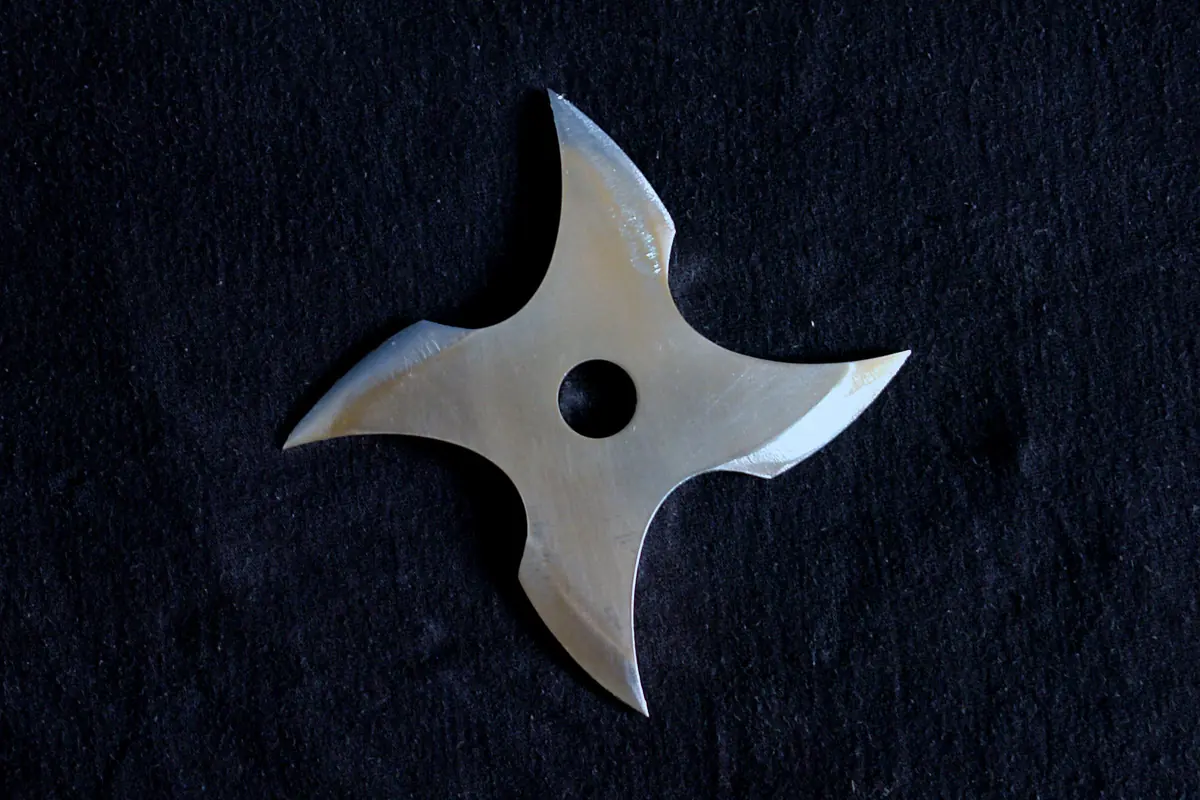
Wikipedia calls shuriken concealed weapons used by samurai or ninja and says they functioned as supplementary weapons to the sword, though they often had an important tactical effect. It says the origins of the bo-shuriken in Japan are still unclear, that shurikenjutsu was a secret art, and that the earliest known school teaching it is placed in the 17th century. The star-shaped form the shows throw is one type among several, and Wikipedia says flat throwing stones found at the Siege of Odawara site may be predecessors of shuriken. When a stage show hands you a shuriken, you are holding a prop in a long theatrical tradition, not a replica of a standard battlefield weapon.
Why ninja wear black
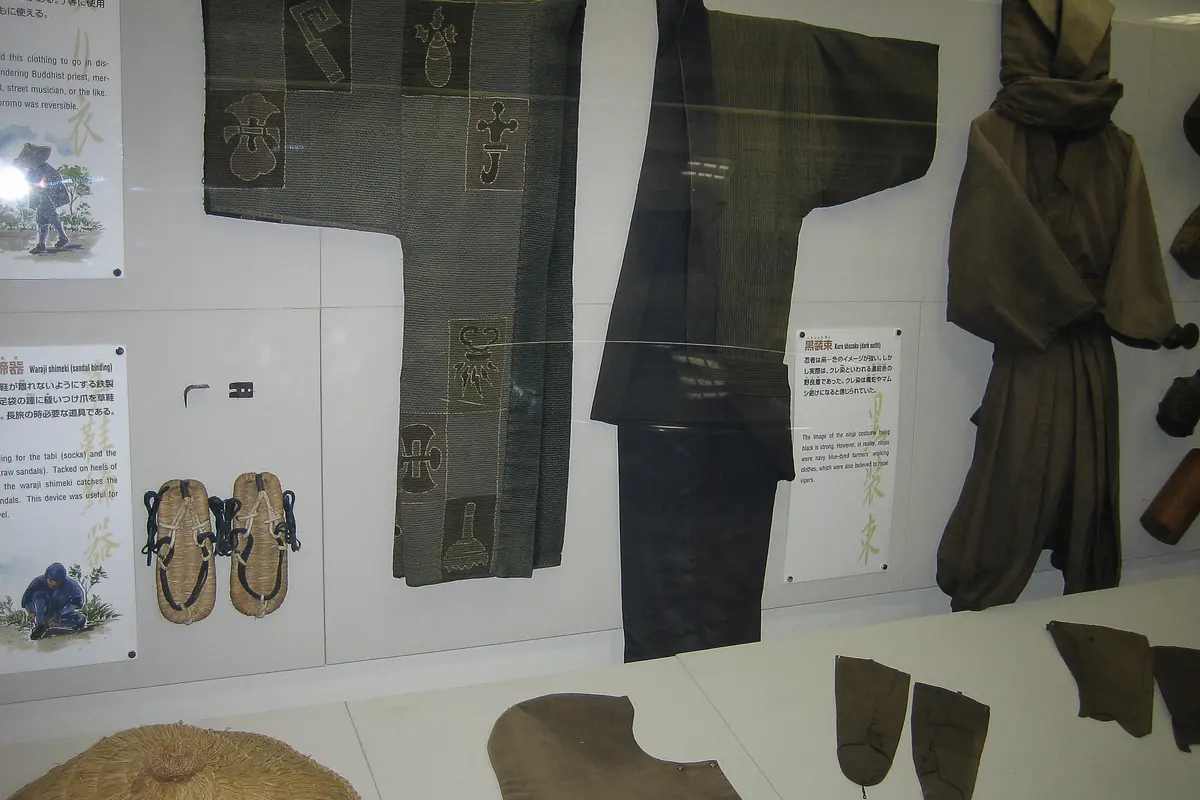
Wikipedia says that in peacetime ninja typically wore work clothes similar to those of farmers, probably dark brown rather than black. The black look is linked to Edo kabuki, where kuroko stagehands wear black, and the Edo theatre developed many stereotypes, including the use of shuriken against the samurai sword onstage. The historian Stephen Turnbull suggested that the stereotypical black-clad ninja derived from kabuki, and Wikipedia's article on kuroko cites a source that puts the earliest pictorial reference to a ninja in black in a book illustration of 1801.
Heroes of the stage
Wikipedia says the toad-riding hero Jiraiya, a figure of Japanese folklore, was the subject of a kabuki drama by Kawatake Mokuami based on the first ten parts of a novel, which premiered in Edo in 1852 with Ichikawa Danjūrō VIII in the lead. The tale of Jiraiya inspired characters in the Naruto franchise. The stage and the page, in other words, shaped the ninja that visitors now expect.
Read next: Ninja kabuki show, explained
Who this isn't for
Nobody should read this guide for a method or a manual. It gives background for a stage show and is no training text, and the sources it draws on are encyclopedic and journalistic. If you want to see the objects themselves, a museum is the place, and a stage show is a different thing: a performance that uses the ninja image rather than documenting it. Read this guide as background, enjoy the show for what it is and remember that the black costume is a stage convention.
Frequently asked questions
Were ninja assassins?
Wikipedia says there is little evidence that they were. Espionage was the ninja's chief role, along with scouting, surprise attacks and sabotage by arson.
Did ninja wear black?
Wikipedia says they typically wore work clothes like farmers, probably dark brown. The black costume is linked to Edo kabuki and its black-clad kuroko.
Where did ninja come from?
Wikipedia names the Iga and Kōka regions, in modern Mie and Shiga, where villages devoted to ninja training first appeared.
Were shuriken a main weapon?
No. Wikipedia says they functioned as supplementary weapons to the sword, though they often had an important tactical effect.
Is there academic research on ninja?
Yes. Wikipedia says Mie University founded the first research centre devoted to the ninja in 2017.
Sources